Understanding PCOS in Teens – Tips, Treatment & Support
Hearing the words “Polycystic Ovary Syndrome” (PCOS) as a parent or teenager can feel overwhelming. For many teen girls, it starts with small changes — a few missed periods, stubborn acne that just won’t clear up, or sudden weight gain. While these can sometimes be part of normal puberty, in some cases, they point to PCOS.
The good news? PCOS can be managed effectively, especially when spotted early. With the guidance of the best PCOS doctor in Hyderabad, teenage girls can learn how to manage their symptoms, feel more confident, and protect their long‑term health.
At Arvi Clinic, Hastinapuram, Dr. Manognya understands that PCOS is not just a medical condition — it’s an emotional journey too. Her care focuses on both health and confidence, giving teens the tools they need to thrive.
What is PCOS in Teens?
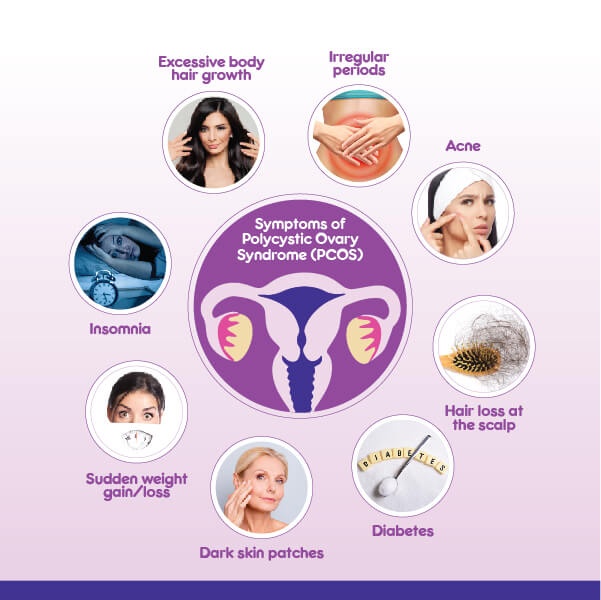
PCOS is a hormonal imbalance where the ovaries produce more androgens (male hormones) than usual. This can lead to:
- Irregular periods – cycles that are too far apart or stop altogether
- Unwanted hair growth on the face or body
- Acne that doesn’t respond to regular treatments
- Sudden weight gain or difficulty losing weight
- Hair thinning on the scalp
In teenage years, it’s easy to brush off these changes as “just puberty.” But if they persist, it’s worth getting checked by an experienced gynecologist.
Why Early Support Matters
PCOS is easier to manage when diagnosed early. It’s not just about fixing periods — it’s about preventing issues like diabetes, obesity, and even fertility problems in the future.
Most importantly, early treatment can help teenage girls feel more in control of their bodies and emotions, reducing the stress and self‑doubt PCOS often brings.
How PCOS is Treated at Arvi Clinic
Dr. Manognya believes there’s no one‑size‑fits‑all approach. Every teen is different, so her treatment plans are personalized:
1. Understanding Your Story
Instead of rushing to tests, the first step is listening — to symptoms, concerns, and how PCOS is affecting daily life.
If needed, she’ll recommend:
- Hormonal blood tests
- Pelvic ultrasound
2. Building Healthy Habits
Small lifestyle changes can make a big difference:
- A balanced diet with whole foods and fewer sugary snacks
- Fun physical activities teens actually enjoy (not just “exercise”)
3. Medical Support (If Needed)
- Hormonal therapy to regulate periods
- Medicines for acne or hair growth control
4. Emotional Care
- Honest, judgment‑free conversations about changes in the body
- Guidance for parents to better support their daughters
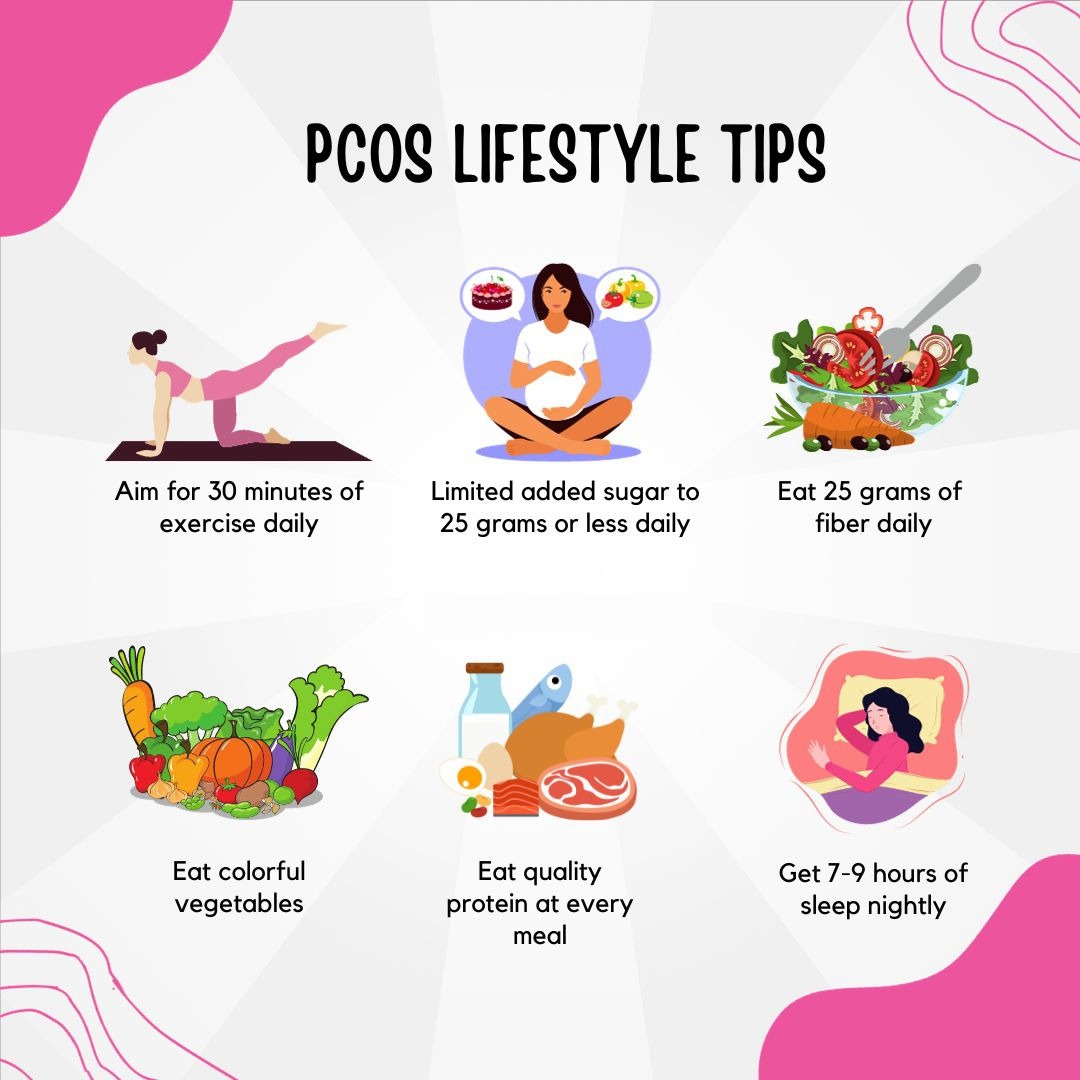
Tips for Teens Living with PCOS
- Choose balanced meals – mix colorful veggies, protein, and healthy fats
- Stay active – dance, sports, or walking with friends
- Track your cycle – use an app to notice changes early
- Sleep well – 7–9 hours helps balance hormones
- Speak up – if something feels off, tell a parent or doctor
The Support You’ll Find at Arvi Clinic
Many teenagers come to Arvi Clinic feeling anxious, confused, or frustrated. They leave feeling heard, informed, and supported.
With Dr. Manognya’s expertise in adolescent gynecology, you’re not just getting treatment — you’re getting a partner in your health journey. She’s recognized among the best PCOS doctors in Hyderabad for her ability to connect with teens and create treatment plans they can actually follow.
FAQs on PCOS in Teenage Girls
- What causes PCOS in teenagers?
- How is PCOS diagnosed?
- Can PCOS go away on its own?
- Will it affect my teen’s fertility?
- Does every teen with PCOS need medicine?
- How often should follow‑ups be done?
It’s often a mix of genetics, hormones, and lifestyle factors like diet and activity levels.
Through a combination of talking about symptoms, hormone testing, and sometimes an ultrasound.
It usually needs ongoing care, but symptoms can improve a lot with healthy habits.
Not necessarily — early treatment can protect fertility for the future.
No. Many do well with lifestyle changes alone, though some need medication for symptom control.
Usually every 3–6 months, depending on progress.
Conclusion
PCOS doesn’t have to define your teen’s future. With the right care, healthy routines, and emotional support, it’s completely possible to manage symptoms and feel confident again.
If you suspect PCOS, book a visit to Arvi Clinic, Hastinapuram. With Dr. Manognya — one of the best PCOS doctors in Hyderabad — your teen will get the care, understanding, and guidance she truly deserves.