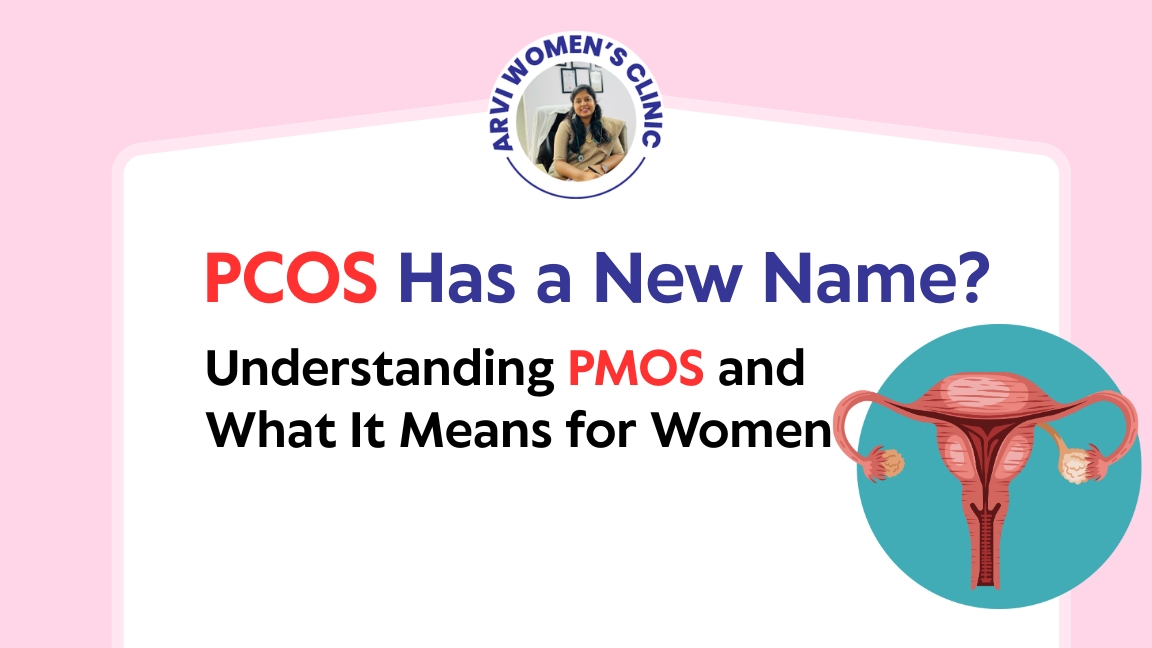
PCOS Has a New Name? Understanding PMOS and What It Means for Women
For years, women around the world have heard the term PCOS—Polycystic Ovary Syndrome. It has become one of the most commonly discussed hormonal conditions affecting women of reproductive age. But recently, there has been an important development in women’s health: experts have proposed a new name—PMOS, or Polyendocrine Metabolic Ovarian Syndrome. This change reflects a deeper understanding of the condition and how it affects the body beyond just the ovaries.
If you’ve been diagnosed with PCOS, you may wonder: Does this mean my condition has changed? Should I be worried? The answer is simple—your diagnosis and care remain the same. What’s changing is the way medicine understands and describes the condition.
Why Was PCOS Renamed?
The term “Polycystic Ovary Syndrome” has long been criticized by experts because it doesn’t fully describe what the condition really is. Many women diagnosed with PCOS do not actually have ovarian cysts. The name also creates confusion because the condition affects much more than the ovaries.
Research now shows that PCOS involves multiple hormonal and metabolic systems in the body. It can impact:
- Hormone balance
- Insulin levels
- Weight and metabolism
- Skin health
- Fertility
- Mental wellbeing
The new name, PMOS (Polyendocrine Metabolic Ovarian Syndrome), highlights these broader effects.
What Does PMOS Mean?
Let’s break down the new term:
Polyendocrine: Multiple hormone systems are involved.
Metabolic: The condition affects metabolism and insulin function.
Ovarian: Ovarian function is still an important aspect.
Syndrome: A collection of symptoms and health changes.
Experts believe PMOS better represents the true nature of the condition rather than focusing only on ovarian findings.
Common Symptoms Remain the Same
Whether it is called PCOS or PMOS, women may still experience:
- Irregular or missed periods
- Weight gain or difficulty losing weight
- Excess facial or body hair
- Acne and oily skin
- Hair thinning
- Difficulty conceiving
- Mood changes and fatigue
Not every woman experiences the same symptoms. That is one reason diagnosis can sometimes take years.
Why This Name Change Matters
The shift from PCOS to PMOS is more than a terminology update. Medical experts hope it can improve awareness and reduce delays in diagnosis.
For many years, women were told they couldn’t have PCOS because scans didn’t show “cysts.” However, experts now recognize that ovarian cysts are not required for diagnosis and the condition involves broader hormonal and metabolic changes.
A more accurate name may help:
- Improve diagnosis
- Encourage earlier treatment
- Increase awareness
- Support better research
- Reduce confusion and stigma
Does Treatment Change?
No. The approach to treatment remains focused on managing symptoms and improving long-term health.
Management may include:
- Healthy nutrition habits
- Regular physical activity
- Weight management
- Medications for hormone balance
- Fertility support if needed
- Monitoring metabolic health
The goal remains personalized care because every woman experiences the condition differently.
A Message from Dr. Manognya
Women often think PCOS is only about irregular periods or fertility concerns. In reality, it affects overall health and wellbeing. Understanding the broader picture allows earlier support and better care.
The new term PMOS reminds us that women deserve a clearer understanding of their health conditions and treatments.
At Arvi Clinic, Dr. Manognya believes in helping women understand their bodies, recognize symptoms early, and receive care tailored to their needs.
Final Thoughts
PCOS may now be evolving into PMOS, but one thing remains unchanged: early diagnosis and proper management are essential. A name change does not alter who you are or your journey—it simply reflects medical progress and a more complete understanding of women’s health.
If you have symptoms like irregular periods, hormonal imbalance, or concerns related to PCOS/PMOS, consulting a specialist early can make a meaningful difference.
For expert women’s healthcare guidance, connect with Dr. Manognya at Arvi Clinic.